

The introduction of the new tax regime has transformed the way individuals approach income tax planning. Designed to simplify tax calculations and reduce compliance burdens, the new framework offers taxpayers a choice between the traditional tax system and a simplified one with lower tax rates but fewer exemptions. Understanding how this system works is essential for salaried employees, self-employed professionals, retirees, and business owners alike. While the lower tax rates appear attractive, choosing the right regime requires careful evaluation of income, deductions, and financial goals.
Every taxpayer should understand the basics of tax law before making a decision. The rules governing tax payments, exemptions, deductions, and filing procedures continue to evolve, making it important to stay informed. Whether you are filing your taxes for the first time or reviewing your financial strategy, understanding the new tax regime can help you maximize savings while remaining fully compliant with current regulations.
Understanding the New Tax Regime
The new tax regime was introduced to make taxation simpler and more transparent. Instead of relying on numerous deductions and exemptions, taxpayers are offered lower tax rates across different income slabs. This approach reduces paperwork and makes tax calculations easier for many individuals.
Unlike the previous system, the new regime minimizes the importance of investment-based tax planning. Taxpayers no longer need to purchase specific financial products solely to claim deductions. Instead, they can focus on investments that genuinely align with their financial objectives.
A solid understanding of tax law helps taxpayers evaluate whether the simplified regime is suitable for their circumstances. Individuals with significant deductions from housing loans, insurance premiums, retirement savings, or educational expenses may still benefit from the traditional regime. Meanwhile, those with fewer deductions often find the new structure more beneficial because of its reduced tax rates and simplified compliance requirements.
Key Features of the New Tax Regime
Several important features distinguish the new tax regime from the traditional system.
Lower Tax Rates
One of the biggest attractions is the availability of reduced tax rates across multiple income slabs. This enables many taxpayers to pay less tax without relying heavily on exemptions.
Limited Deductions
The simplified regime removes many commonly used deductions and exemptions, including several investment-related benefits.
Simplified Filing
Tax returns become easier to prepare because taxpayers have fewer calculations involving exemptions and deductions.
Flexible Choice
Eligible taxpayers can compare both tax systems before filing and choose the one that offers greater financial benefits, subject to applicable rules.
Understanding these features allows individuals to make informed financial decisions while remaining compliant with tax law and current tax regulations.
Comparison Between the Old and New Tax Regimes
| Feature | Old Tax Regime | New Tax Regime |
|---|---|---|
| Tax Rates | Higher | Lower |
| Deductions | Numerous | Limited |
| Exemptions | Available | Mostly Removed |
| Investment Planning | Highly Important | Less Important |
| Tax Filing | More Complex | Simpler |
| Best For | High deduction taxpayers | Low deduction taxpayers |
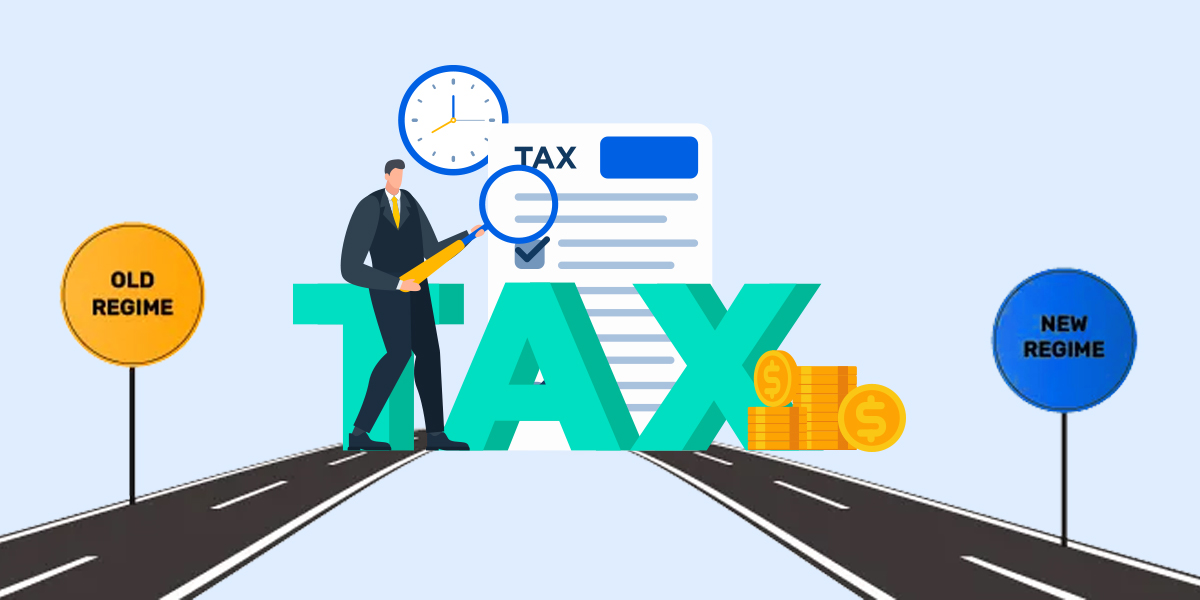
This comparison highlights that no single regime is universally better. Individual income patterns determine which option provides greater tax savings.
Benefits of Choosing the New Tax Regime
Many taxpayers appreciate the simplicity offered by the new system. Instead of tracking multiple investment receipts throughout the year, individuals can concentrate on earning and managing income more efficiently.
Some notable benefits include:
- Lower income tax rates
- Easier tax calculations
- Reduced documentation
- Simplified tax filing
- Greater financial flexibility
- Less dependency on tax-saving investments
- Improved transparency
The simplified structure also benefits younger professionals who may not yet have significant investments or loans. Since they often claim fewer deductions, the lower tax rates can result in meaningful tax savings.
Understanding tax law ensures taxpayers accurately calculate their liability without overlooking applicable provisions or filing requirements.
Who Should Consider the New Tax Regime?
The new tax regime is particularly suitable for individuals whose annual deductions are relatively small. Young employees entering the workforce often have limited investments and therefore gain more from lower tax rates.
Freelancers and self-employed professionals may also benefit if they do not claim substantial deductions. Similarly, individuals living in rented accommodation without housing loan deductions may find the simplified system financially advantageous.
However, taxpayers should carefully calculate their expected tax under both systems before making a decision. Income levels, retirement contributions, insurance premiums, education expenses, and housing loans all influence the final tax liability.
Knowledge of tax law helps individuals compare both options objectively rather than relying solely on lower tax percentages.
Common Deductions Not Available Under the New Regime
Although the new system offers lower tax rates, several traditional deductions are either unavailable or significantly restricted.
Some commonly affected deductions include:
- Certain investment deductions
- Housing loan interest benefits
- Various allowances
- Selected insurance-related deductions
- Some education-related tax benefits
- Several employment-related exemptions
The absence of these deductions means taxpayers should carefully compare their overall tax liability rather than focusing only on slab rates.
Financial planning remains important even without these incentives because long-term wealth creation depends on disciplined saving and investing rather than tax benefits alone.
How to Choose the Right Tax Regime
Selecting the appropriate regime requires evaluating multiple financial factors instead of simply comparing tax rates.
Important considerations include:
- Total annual income
- Investment portfolio
- Housing loan obligations
- Retirement savings
- Insurance premiums
- Family financial commitments
- Future financial goals
Preparing a side-by-side tax calculation helps determine which regime produces lower overall tax. Many taxpayers discover that the traditional regime remains beneficial when substantial deductions are available.
A clear understanding of tax law supports better financial planning and prevents costly filing mistakes.
Tax Planning Under the New Regime
Although deductions are fewer, tax planning remains valuable. Effective planning now focuses more on financial health than tax reduction.
Individuals should prioritize:
- Emergency savings
- Retirement planning
- Health insurance
- Wealth diversification
- Long-term investments
- Budget management
Without the pressure to invest solely for tax benefits, taxpayers gain greater freedom to choose financial products based on performance, risk tolerance, and future objectives.
Modern tax planning emphasizes financial independence while maintaining compliance with evolving tax law requirements.
Common Mistakes to Avoid
Many taxpayers make avoidable mistakes when switching to the new regime.
Some common errors include:
- Choosing a regime without comparison
- Ignoring future financial commitments
- Assuming lower rates always mean lower taxes
- Missing filing deadlines
- Maintaining incomplete financial records
- Confusing exemptions with deductions
Avoiding these mistakes improves tax efficiency and reduces the likelihood of future corrections or notices from tax authorities.
Accurate documentation remains essential even within a simplified taxation framework.
Future of the New Tax Regime
The new tax regime reflects the broader movement toward a simpler and more transparent taxation system. Governments worldwide increasingly aim to reduce administrative complexity while encouraging voluntary compliance.
Future updates may include revised income slabs, modified rebate structures, improved digital filing systems, and additional simplifications. Taxpayers who stay informed can adapt quickly to changing rules and optimize their financial planning strategies.
Technology will continue playing an important role in tax administration through automated filing, digital verification, and enhanced taxpayer services. As regulations evolve, understanding tax law becomes increasingly valuable for both individuals and businesses seeking long-term financial stability.
Importance of Staying Updated
Tax regulations change periodically, making continuous learning essential. Even small modifications to income slabs, rebates, or filing procedures can significantly affect overall tax liability.
Taxpayers should regularly review their financial situation, especially after major life events such as marriage, purchasing a home, changing jobs, or starting a business. Each of these events may influence the choice between tax regimes.
Developing a habit of reviewing annual tax changes also helps individuals avoid penalties and maintain full compliance. Sound financial planning combined with current knowledge creates greater confidence during every tax season.
Remaining informed about tax law ensures better decision-making and supports responsible financial management throughout every stage of life.
Conclusion
The new tax regime represents an important shift toward simplified taxation by offering lower tax rates while reducing reliance on exemptions and deductions. Although it may not be the best choice for every taxpayer, it provides significant advantages for individuals with limited deductions and straightforward financial situations.
Choosing between the old and new systems requires careful evaluation of income, investments, financial obligations, and long-term goals. Rather than selecting a regime based solely on lower tax rates, taxpayers should calculate their total tax liability under both options before making a final decision.
Read more: Cyber Fraud Complaint: A Complete Guide Under Cyber Law