

A degloving injury is one of the most severe forms of traumatic soft tissue damage. It occurs when the skin and the tissue beneath it are forcibly separated from the muscles, bones, or connective tissues underneath. This type of injury often results from high-impact accidents such as road collisions, industrial mishaps, sports incidents, or crushing accidents. Because blood vessels supplying the skin are damaged, immediate medical attention is essential to reduce complications and improve the chances of successful healing. Depending on the severity, treatment may involve emergency surgery, skin grafts, reconstructive procedures, and extensive rehabilitation. Understanding the causes, symptoms, available treatments, and preventive measures can help individuals recognize the seriousness of this condition and seek timely care. This guide explains everything you need to know about degloving injuries, including diagnosis, recovery, possible complications, and long-term outlook.
What Is a Degloving Injury?
A degloving injury is a traumatic condition in which the outer layers of skin and soft tissue are torn away from the underlying structures. The name comes from the resemblance to removing a glove from a hand. This separation disrupts blood flow, damages nerves, and exposes muscles, tendons, or bones.
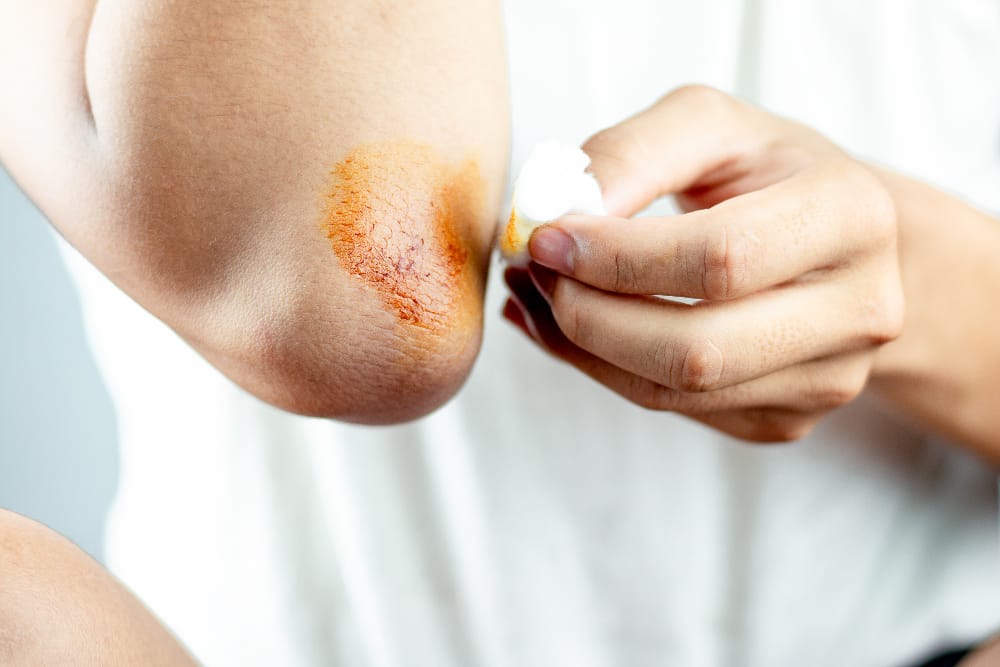
These injuries may occur externally, where the skin is visibly detached, or internally, where the damage exists beneath intact skin. Internal degloving injuries are sometimes more difficult to detect because outward signs may be limited while extensive tissue damage continues underneath. Such injuries require advanced imaging techniques and careful medical evaluation.
The severity varies depending on the location, the amount of tissue involved, and the patient’s overall health. Since blood circulation is interrupted, untreated tissue may die, increasing the risk of infection and permanent disability. Prompt diagnosis and expert medical care significantly improve treatment outcomes and reduce long-term complications.
Common Causes of Degloving Injury
Most degloving injuries occur because of powerful shearing forces that pull the skin away from deeper tissues. High-energy trauma is the most common cause.
Some frequent causes include:
- Motor vehicle accidents
- Motorcycle crashes
- Industrial machinery accidents
- Heavy equipment incidents
- Sports collisions
- Farm machinery accidents
- Animal attacks
- Crushing injuries during construction work
Road traffic accidents remain among the leading causes worldwide. Motorcyclists are especially vulnerable because they have less protection during collisions. Workplace safety failures involving rotating machines or conveyor belts also contribute significantly to these traumatic injuries.
The likelihood of severe tissue damage increases when the force of impact is high and immediate medical treatment is delayed.
Symptoms and Warning Signs
The symptoms of a degloving injury depend on whether the damage is open or closed. Open injuries are usually obvious, while closed injuries may develop gradually.
Common symptoms include:
- Severe pain
- Heavy bleeding
- Torn or detached skin
- Swelling
- Bruising
- Numbness
- Loss of sensation
- Visible muscle or bone
- Difficulty moving the affected limb
- Signs of infection such as redness or fever
Closed degloving injuries may initially resemble a large bruise but continue filling with blood and fluid beneath the skin. Patients may notice increasing swelling, tenderness, or skin discoloration over several hours or days.
Any traumatic event accompanied by severe soft tissue damage requires immediate medical assessment to prevent complications.
How Doctors Diagnose the Condition
Diagnosis begins with a detailed physical examination and a review of how the accident occurred. Doctors carefully evaluate the extent of skin loss, blood supply, nerve function, and damage to muscles or bones.
Imaging tests may include:
| Diagnostic Test | Purpose |
|---|---|
| X-ray | Detects fractures |
| CT Scan | Evaluates deeper injuries |
| MRI | Identifies soft tissue damage |
| Ultrasound | Detects fluid collection in closed injuries |
| Blood Tests | Checks infection and overall health |
In closed degloving injuries, MRI often provides the clearest picture of tissue separation and fluid accumulation. Early diagnosis helps surgeons plan appropriate treatment and preserve as much healthy tissue as possible.
Treatment Options for Degloving Injury
Treatment depends on the size, location, severity, and contamination of the wound. Emergency care focuses on controlling bleeding, preventing infection, preserving tissue, and restoring circulation.

Common treatment options include:
Emergency Stabilization
Doctors first control bleeding, clean the wound, administer antibiotics if necessary, provide pain relief, and stabilize fractures or other traumatic injuries.
Surgical Debridement
Dead or contaminated tissue is carefully removed to reduce infection risk and prepare the wound for reconstruction.
Skin Grafting
Healthy skin from another area of the body may be transplanted to cover exposed tissue when the original skin cannot survive.
Flap Reconstruction
For extensive damage, surgeons may transfer skin, muscle, and blood vessels from another part of the body to rebuild the affected area.
Negative Pressure Wound Therapy
Vacuum-assisted dressings help remove excess fluid, promote healing, and prepare wounds for later surgery.
Several surgeries may be required over weeks or months depending on healing progress.
Recovery and Rehabilitation
Recovery from a degloving injury can be lengthy and requires a multidisciplinary approach. Healing depends on wound size, patient age, general health, infection control, and rehabilitation efforts.
Physical therapy plays a crucial role in restoring strength, flexibility, and mobility. Occupational therapy helps patients regain independence in daily activities, particularly after hand or arm injuries.
Recovery may include:
- Regular wound care
- Dressing changes
- Pain management
- Physical therapy
- Occupational therapy
- Scar management
- Nutritional support
- Psychological counseling
Patients must attend follow-up appointments consistently because healing continues long after hospital discharge. Maintaining good nutrition and following rehabilitation instructions improve overall recovery.
Possible Complications
Despite excellent medical care, complications may occur because these injuries involve extensive tissue destruction.
Potential complications include:
- Infection
- Tissue death
- Chronic pain
- Reduced mobility
- Permanent nerve damage
- Poor wound healing
- Joint stiffness
- Scarring
- Blood clot formation
- Limb amputation in severe cases
Early treatment greatly reduces these risks. Patients should seek immediate medical attention if they notice increasing pain, fever, unusual drainage, or worsening redness around the wound.
Long-term monitoring allows healthcare providers to identify complications before they become more serious.
Preventing Degloving Injuries
Although not every accident can be prevented, many degloving injuries occur in situations where proper safety measures reduce the likelihood of trauma.
Effective prevention strategies include:
- Wearing protective motorcycle clothing
- Using industrial safety guards
- Following workplace safety regulations
- Wearing appropriate protective equipment
- Receiving machinery safety training
- Avoiding loose clothing around rotating equipment
- Following road safety rules
- Using seat belts consistently
Employers should maintain equipment properly and provide regular safety education. Individuals participating in high-risk sports should wear suitable protective gear to minimize traumatic injuries.
Awareness remains one of the strongest defenses against serious accidents.
Living After a Degloving Injury
Life after a severe degloving injury often involves physical, emotional, and social adjustments. Some individuals recover almost completely, while others require ongoing medical treatment and rehabilitation.
Emotional recovery is equally important. Patients may experience anxiety, depression, or concerns about body image after major reconstructive surgery. Support from family members, rehabilitation specialists, and mental health professionals can significantly improve quality of life.
Many patients gradually return to work and recreational activities with proper rehabilitation. Recovery timelines differ considerably depending on the severity of tissue damage and commitment to therapy.
Maintaining regular follow-up care helps identify late complications and supports continued improvement in function and overall well-being.
When to Seek Emergency Medical Care
Immediate emergency treatment is necessary whenever severe soft tissue trauma occurs.
Seek urgent medical attention if you experience:
- Extensive skin tearing
- Heavy bleeding
- Exposed muscles or bones
- Loss of sensation
- Severe swelling after trauma
- Inability to move the affected limb
- Signs of infection
- High-impact accidents involving crushing forces
Delaying treatment can significantly worsen outcomes and increase the likelihood of permanent disability or tissue loss.
Conclusion
A degloving injury is a serious medical emergency that requires rapid diagnosis and expert treatment. The separation of skin and underlying tissues can disrupt blood supply, damage nerves, and expose deeper structures, making prompt surgical care essential. Advances in trauma surgery, reconstructive techniques, wound management, and rehabilitation have greatly improved recovery outcomes for many patients. However, healing often requires patience, multiple procedures, and dedicated rehabilitation.
Read more: How to Apply Divorce: A Complete Step-by-Step Guide